
How to Get Into HVAC With No Experience (2026 Guide)
Learn how to land an HVAC job with zero experience in 2026. Step-by-step guide to apprenticeships, helper roles, resume tips, and EPA certification.
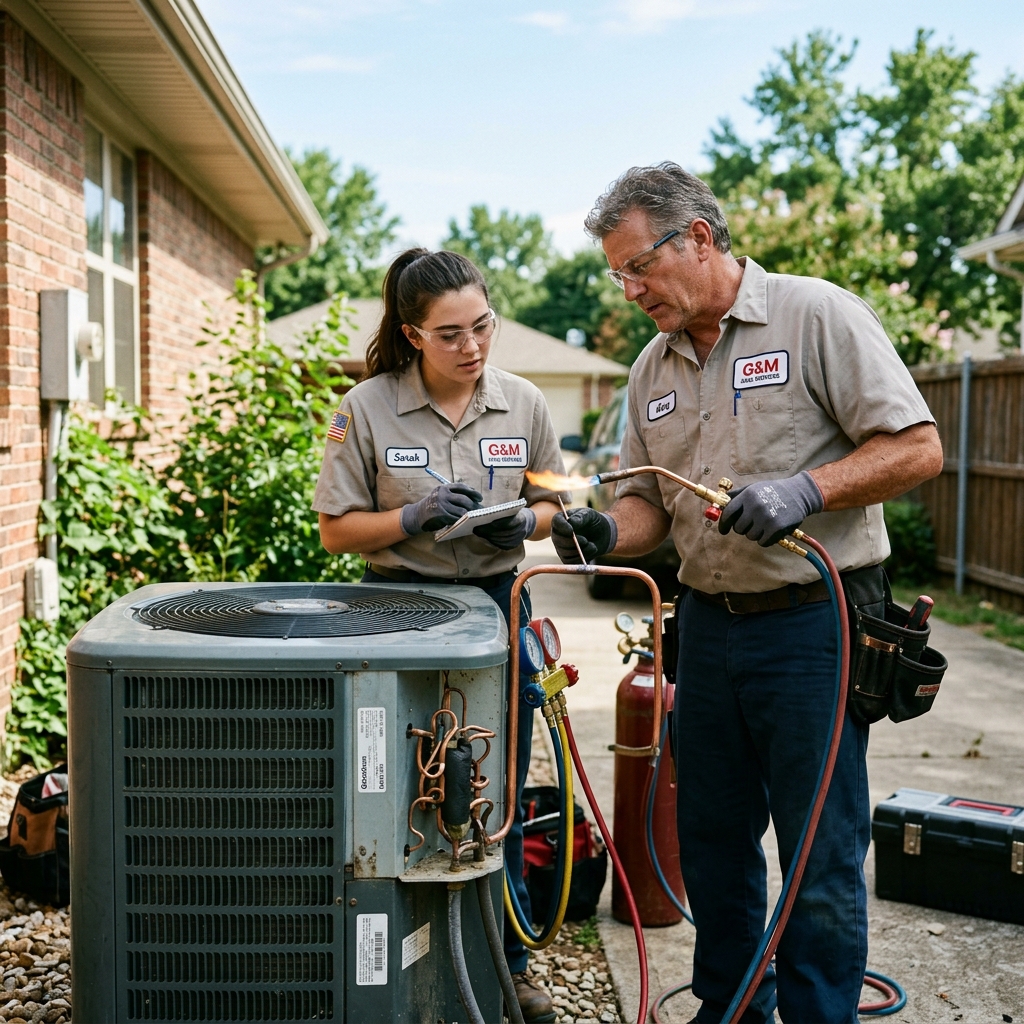
In 2026, HVAC contractors across North America face a shortage of over 80,000 to 110,000 qualified technicians, with the U.S. Bureau of Labor Statistics projecting 9% job growth (2023–2033) and 42,500 annual openings (HVACR Workforce Foundation, 2026; BLS, 2026). Because demand is so high, employers actively hire motivated candidates with zero prior field experience. If you have basic mechanical aptitude, a clean driving record, and a strong work ethic, you can land an entry-level job as an HVAC helper or registered apprentice within weeks.
This step-by-step guide explains how to get into the HVAC trade with no prior experience, build an entry-level resume, lock in your EPA 608 certification, and secure a paid apprenticeship.
Key Takeaways
- You do not need formal trade school to land an entry-level HVAC position; thousands of contractors hire helpers and train them on the job (BLS.gov, 2026).
- Earning your EPA Section 608 Universal Certification before applying puts your resume ahead of 90% of entry-level applicants.
- Registered union (UA) and non-union (ABC/PHCC) apprenticeships pay you to learn, with typical entry pay of $18.00 to $22.00 per hour ($37,440 to $45,760/yr—spanning the $38,510 BLS 10th-percentile floor up to the $46,000 25th-percentile benchmark).
- A clean driving record and valid driver's license are strict hiring requirements for 95%+ of HVAC service contractors.
- Practice exam questions using WorkerGear's free interactive EPA 608 flashcards and EPA 608 cheat sheet to pass your test before your first interview.
What Are the 4 Best Ways to Enter the HVAC Trade With No Experience?
In 2026, entry-level candidates have four distinct pathways into the heating, ventilation, and air conditioning industry (BLS.gov, 2026). To see how these options fit into long-term career growth, review our comprehensive HVAC technician career guide.
1. Apply as an HVAC Helper or Installer Assistant
Contractors constantly need helpers to carry equipment, run flex ductwork, pull low-voltage thermostat wire, and stage job sites. As an installer assistant, senior technicians teach you copper brazing, electrical wiring, and system evacuation while paying you a full-time hourly wage.2. Join a Union Apprenticeship (UA - United Association)
Union apprenticeships offer 5-year structured programs combining 8,000 to 10,000 hours of paid on-the-job training with classroom instruction, employer-funded healthcare, and pension benefits. Competition for union slots is strong, requiring a mechanical/math aptitude test and panel interview.3. Join a Non-Union Apprenticeship (ABC / PHCC)
Organizations like Associated Builders and Contractors (ABC) and the Plumbing-Heating-Cooling Contractors Association (PHCC) partner with local non-union shops to provide sponsored, Department of Labor-registered apprenticeship training with zero tuition debt.4. Attend a Fast-Track Trade School First
If local apprenticeships have waiting lists, completing a 6- to 12-month community college or trade certificate builds hands-on lab confidence. Compare costs and timelines in our guide to HVAC schools and training programs.How to Make Your Resume Stand Out With Zero Experience
In 2026, hiring managers look for reliability, safety awareness, and self-driven initiative when reviewing entry-level applicants (HVACR Workforce Foundation, 2026).
Hiring contractors consistently report that the single fastest way to get hired with zero experience is passing your EPA Section 608 Universal exam on your own before applying. Showing up to an interview with your EPA 608 Universal card—and basic familiarity with 2026 A2L mildly flammable refrigerants (R-454B and R-32)—proves you are serious and ready to handle refrigerants legally from day one.
Resume Essentials for Beginners
How Much Do Entry-Level HVAC Apprentices Make in 2026?
In 2026, typical starting pay for first-year HVAC apprentices ranges from $18.00 to $22.00 per hour ($37,440 to $45,760 per year). Across all U.S. HVACR mechanics and installers, the Bureau of Labor Statistics reports a 10th-percentile entry floor of $38,510/year, a 25th-percentile wage of $46,000/year, and a national median wage of $59,810/year ($28.75/hour), with top-tier commercial and union journeymen exceeding $92,000+ per year (BLS.gov, 2026).
According to WorkerGear pay scale tracking, registered apprentice wages increase automatically by 5% to 12% every 6 to 12 months as you log field hours and advance toward journeyman status:
| Stage | Expected Hourly Wage | Average Annual Income | BLS / Industry Benchmark |
|---|---|---|---|
| Helper / Installer Assistant | $17.50 – $20.00 / hr | $36,400 – $41,600 | Entry helper tier (`$38,510` BLS 10th percentile) |
| 1st Year Apprentice (50% Scale) | $18.00 – $22.00 / hr | $37,440 – $45,760 | Typical 1st-year starting pay (`$46,000` BLS 25th percentile) |
| 2nd Year Apprentice (60%–65% Scale) | $22.00 – $26.00 / hr | $45,760 – $54,080 | Residential maintenance & light service |
| 3rd Year Apprentice (70%–75% Scale) | $26.00 – $31.00 / hr | $54,080 – $64,480 | Surpasses $59,810 (`$28.75/hr`) BLS national median |
| 4th Year Apprentice (85%–90% Scale) | $31.00 – $36.00 / hr | $64,480 – $74,880 | Solo service van & complex diagnostics |
| Licensed Journeyman Tech (100% Scale) | $36.00 – $45.00+ / hr | $74,880 – $93,600+ | Full journeyman scale (`$92,000+` BLS 90th percentile) |
How Can You Get Hired as an HVAC Apprentice This Month?
- Earn Your EPA 608 Certification: Study with WorkerGear's free interactive EPA 608 flashcards, printable EPA 608 cheat sheet, or our offline EPA 608 Practice Test & Prep iOS app study guide (featuring a 608-question bank and 100-question Universal simulator), then take your Universal exam online through an EPA-approved certifying organization.
- Obtain Your Official Driving Record: Request a certified 3-year Motor Vehicle Record (MVR) from your state DMV proving a clean driving history.
- Walk In Person to Local Shops: Visit 5 to 10 local residential and commercial HVAC contractors in clean work boots and a collared shirt between 7:00 AM and 8:00 AM when service and install managers are in the office.
- Follow Up Within 48 Hours: Send a brief, polite follow-up email or phone call 48 hours after dropping off your resume and EPA 608 certificate.
Frequently Asked Questions
Can I get an HVAC job with no experience at all?
Yes. Because the industry faces a nationwide shortage of over 80,000 technicians and 42,500 annual openings, contractors routinely hire helpers, parts runners, and first-year apprentices with zero prior experience and train them on the job (BLS.gov, 2026).How much do no-experience HVAC apprentices make to start in 2026?
Typical starting pay for a first-year HVAC apprentice in 2026 is $18.00 to $22.00 per hour ($37,440 to $45,760 per year), aligning with the BLS 10th-percentile floor of $38,510 and 25th-percentile benchmark of $46,000, before climbing past the $59,810 national median by Year 3.Do I need my own tools to start?
Employers provide heavy recovery machines, vacuum pumps, torches, and company vans, but you should budget $150 to $300 for basic hand tools (multi-bit screwdriver, wire strippers, channel locks, tape measure, and digital multimeter) during your first month.Is the EPA 608 test hard for beginners?
The 100-question Universal exam requires memorizing specific recovery vacuum levels, regulatory dates, and safety rules, but studying with our EPA 608 practice test and EPA 608 study guide allows complete beginners to pass in 1 to 2 weeks.How long is an HVAC apprenticeship?
Registered apprenticeships take 4 to 5 years (typically 8,000 paid on-the-job hours plus 576+ classroom hours) to reach full licensed journeyman status.Summary & Source References
Getting into the HVAC trade with no experience is one of the fastest ways to build a high-paying, recession-resistant career with zero student loan debt. Lock in your EPA 608 certification, bring your clean driving record to local shops in person, and start earning $18.00 to $22.00/hour from day one.
Prepare for your hiring breakthrough today with WorkerGear's free interactive EPA 608 flashcards and EPA 608 cheat sheet.
Source Documentation
Reviewed by WorkerGear Team
EPA Section 608 Universal Certified HVAC-R Instructor. Focused on translating 40 CFR Part 82 and Part 84 regulations, A2L safety standards, and psychrometric diagnostics into clear field guides for apprentices and technicians.
Related Technical Guides
"HVAC certification"
HVAC Certification Types: 2026 EPA 608, 609 & NATE Guide
Compare mandatory and voluntary HVAC certifications in 2026. Learn requirements for EPA 608, EPA 609, NATE CHP-5, A2L safety, and state licenses.
"HVAC school"
Best HVAC Schools: 2026 Training Costs & Options Guide
Compare HVAC trade schools, community college degrees, and apprenticeships in 2026. Learn tuition costs, accreditation, financial aid, and career ROI.
"HVAC salary"
HVAC Technician Salary Guide: 2026 Pay Rates by State
How much do HVAC technicians make in 2026? See official $59,810 BLS median pay, top-paying states, commercial vs residential wages, and overtime pay.
"mini split"
Ductless Mini-Split Systems: 2026 Cost & Buyer's Guide
A single-zone ductless mini-split costs $3,000 to $5,000 installed ($5,000 to $15,000+ multi-zone). Learn how mini-splits work, SEER2 ratings, and pros.